How Parents Can Foster Emotional Strength at Home
Emotional strength isn't something kids are born with. It's something they develop through experience, support, and practice.
May 27, 2026
Emotional strength isn't something kids are born with. It's something they develop through experience, support, and practice. As parents, you play the most important role in helping your children build the resilience, self-awareness, and coping skills they'll need throughout their lives. The good news? You don't need a psychology degree or a perfect parenting playbook. You just need to be intentional about creating an environment where emotions are welcomed, understood, and managed in healthy ways.
Create a Safe Space for All Emotions
The foundation of emotional strength is feeling safe enough to experience and express all emotions, not just the happy ones. When children learn that sadness, anger, frustration, and fear are normal parts of being human, they stop viewing these feelings as problems to hide or suppress.
What this looks like:
- Acknowledge feelings without judgment: "I can see you're really angry right now."
- Avoid dismissing emotions: Instead of "You're fine" or "Don't cry," try "It's okay to feel upset."
- Share your own emotions appropriately: "I'm feeling frustrated today because of work. I'm going to take some deep breaths."
When kids see that emotions aren't dangerous or shameful, they develop the confidence to face difficult feelings head-on.
Model Healthy Emotional Regulation
Your children are watching how you handle stress, disappointment, and conflict. When you model healthy emotional regulation, you teach them that strong emotions don't have to control their behavior.
What this looks like:
- Pause before reacting when you're upset
- Name what you're feeling: "I'm feeling overwhelmed right now, so I'm going to take a few minutes to myself."
- Demonstrate coping strategies: deep breathing, going for a walk, talking through problems
- Apologize when you handle something poorly: "I raised my voice earlier and that wasn't okay. I should have taken a break first."
Kids don't need perfect parents. They need parents who show them that managing emotions is a skill anyone can develop.
Teach the Language of Emotions
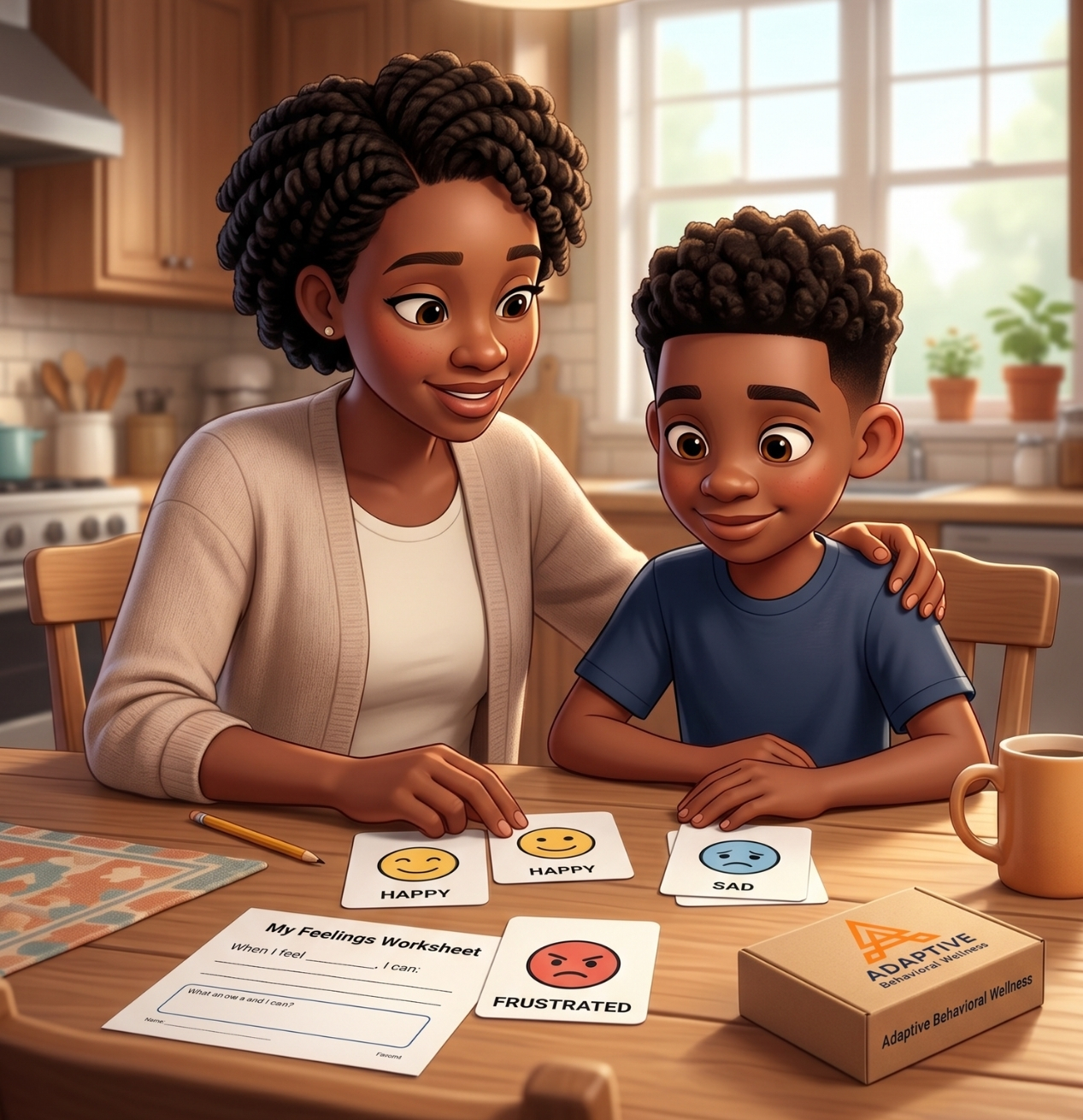
Many children struggle emotionally because they don't have the words to describe what they're experiencing. When you help them build an emotional vocabulary, you give them tools to understand and communicate their inner world.
What this looks like:
- Go beyond "good" and "bad." Introduce words like frustrated, disappointed, anxious, proud, excited, overwhelmed
- Use emotion charts or feelings wheels during calm moments
- Ask specific questions: "Are you feeling nervous or excited?" instead of just "How do you feel?"
- Read books together that explore different emotions and talk about the characters' experiences
The more precise kids can be about their feelings, the better they can address what they need.
Validate First, Problem-Solve Second
What this looks like:
- Listen without interrupting
- Reflect back what you hear: "It sounds like you felt left out when your friends didn't invite you."
- Resist the urge to immediately fix or minimize: "That makes sense" before "Here's what you could try"
- Ask if they want help solving the problem or just need someone to listen
When children feel validated, they're more open to learning new ways to cope.
Build Problem-Solving Skills Together
Emotional strength includes the ability to face challenges and work through difficulties. Instead of solving every problem for your child, guide them through the process of finding solutions themselves.
What this looks like:
- Ask questions: "What do you think you could try?" "What happened last time?" "What would help right now?"
- Brainstorm options together without judging their ideas
- Let them experience natural consequences when it's safe to do so
- Celebrate their efforts, not just outcomes: "I'm proud of you for trying that approach"
Kids who practice problem-solving develop confidence in their ability to handle whatever life throws at them.
Encourage Healthy Risk-Taking
Emotional strength requires facing fears and trying new things, even when there's a chance of failure or discomfort. When you encourage healthy risks, you help your child develop courage and resilience.
What this looks like:
- Support trying new activities, even if they might not excel
- Normalize failure as part of learning: "Everyone makes mistakes. That's how we get better"
- Share your own experiences with taking risks and bouncing back
- Praise effort and bravery, not just success
Children who learn that failure isn't catastrophic develop the emotional strength to keep going when things get hard.
Establish Consistent Routines and Boundaries
Emotional strength thrives in environments where kids feel safe and know what to expect. Consistent routines and clear boundaries provide the structure children need to manage their emotions effectively.
What this looks like:
- Maintain regular sleep, meal, and family time schedules
- Set clear, age-appropriate expectations and follow through with consequences
- Create predictable rituals around difficult transitions (bedtime, morning routines, goodbyes)
- Be consistent while remaining flexible when circumstances truly require it
When life feels predictable and secure, kids have more emotional resources to handle challenges.
Foster Connection Through Quality Time
Emotional strength is built on a foundation of secure relationships. When children feel deeply connected to their parents, they're more likely to come to you with their struggles and trust your guidance.
What this looks like:
- Schedule one-on-one time with each child regularly
- Put away devices during conversations and meals
- Engage in activities they enjoy, even if they're not your favorites
- Have meaningful conversations beyond "How was your day?" Ask about their hopes, fears, friendships, and dreams
Connection isn't about quantity of time. It's about quality presence when you're together.
Teach Self-Care as a Priority
Emotional strength requires taking care of yourself physically, mentally, and emotionally. When you model and encourage self-care, you teach your children that their well-being matters.
What this looks like:
- Prioritize sleep, nutrition, and physical activity for the whole family
- Encourage hobbies and downtime
- Engage in activities Teach basic stress-management techniques: breathing exercises, journaling, listening to music
- Normalize asking for help when you need it
Kids who learn to care for themselves develop the resilience to handle life's ups and downs.
Know When to Seek Support
Sometimes, despite your best efforts, your child may need additional support. There's no shame in recognizing when professional help could make a difference. In fact, seeking support when needed is itself a powerful demonstration of emotional strength.
Signs your child might benefit from extra support:
- Persistent sadness or anxiety that interferes with daily life
- Significant changes in sleep, appetite, or behavior
- Withdrawal from friends and activities they used to enjoy
- Difficulty functioning at school or home despite your efforts to help
Programs like EMPOWER Youth Wellness & Enrichment provide additional resources and support to help children develop emotional strength in community with peers and caring adults.
The Long Game
Building emotional strength isn't about creating perfect, problem-free children. It's about equipping them with the skills and confidence to face challenges, manage difficult emotions, and bounce back from setbacks. It's messy work. There will be bad days, big feelings, and moments when you're not sure if anything is working.
But every time you validate their emotions, model healthy coping, or guide them through problem-solving, you're building their capacity for emotional strength. Every conversation matters. Every moment of connection counts.
You're not just raising children. You're raising future adults who will need emotional resilience to navigate relationships, careers, and all of life's uncertainties. The work you do at home today is an investment in the strong, capable, emotionally intelligent people they're becoming.
And remember: You don't have to do this perfectly. You just have to keep showing up, staying present, and growing alongside your kids.